Semiotics & Codes and Conventions.
- Mylo Sayles
- Nov 30, 2022
- 5 min read

Updated: Dec 6, 2022
(Project 4.3)
Codes.
Codes are the signs - visual and audio cues - that create meaning. These can be either technical or symbolic.
Technical Codes.
Technical codes are from the equipment used to tell the story, for example:

- The Camera.
- Lenses.
- Editing.
- Lighting.
- Sound.
Symbolic Codes.
Symbolic codes are cultural symbols in the staging or on set. The staging is all the elements that constitute the visual representation of the media text, such as:
- Costumes.
- Lighting.
- Soundtrack.
- Body language.

All of these elements are used to convey a symbolic meaning to the audience rather than literal. An example of something like this could be when in videos or film they may use different colours within costumes or lighting to represent a certain mood or concept.
Conventions.
Conventions are the things in media that are
conventional - the things that we expect to see.
Sometimes, breaking these conventions can be positive or creative, for example if you are trying to create comedic effect or if you are going for a certain level of confusion or disorientation, however breaking these norms too much could cause the audience to miscue what is happening completely which is usually not a good thing.
An example of a convention could be that usually when a character is fighting an enemy or running away, intense music plays and there may be many different cuts to create a fast paced scene full of tension. Sometimes though, this convention can be broken to add humour to a scene for example if happy music was playing over an intense battle.
Identifying Codes & Conventions.
Music Video.
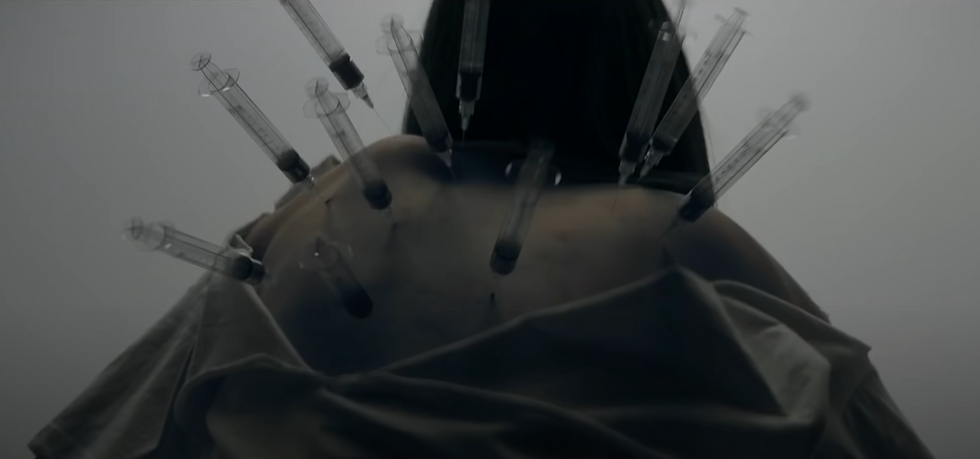
The picture below shows the beginning of the music video for song 'Bury a Friend' by Billie Eilish. The sound and lyrics of the song contain dark and creepy tones so it would be expected that this would be matched with the video paired with the song.
Like every piece of media, there are codes and conventions scattered all the way through this video from beginning to end to help get its message across.

The video begins in a dark room. The room is empty and has no furniture besides a bed. The walls, sheets and curtains are white and the only light source is coming from a bright white streetlamp outside and possibly the moonlight.
The fact that the room is mostly dark and empty suggests isolation and the fact that almost everything in the room is white/pale, in this context, makes the room seem quite haunting and lonely. The room doesn't look very 'lived in' or 'homey' either, creating a sombre mood.
In addition, this scene in the video is completely silent aside from the singular dissonant, shaky violin note that plays when this scene appears on screen and the quiet sound of the wind blowing the curtains.
The same singular note plays again when the person lying in the bed abruptly sits up.
Dissonant notes and chords are often used in genres such as horror or thriller to create suspense or discomfort.
As can be seen, already from this first scene, these things combined together create many codes and conventions that lead us to believe that this video is about to be relatively horror based, scary or uncomfortable.

After this, The character singing in the music video [Played by Billie] appears under the bed. She is representing the common theme in horror that is 'the monster under the bed'.
She is featured wearing all white and has fully black eyes which make her look almost not human, this creates unsettled feelings from the audience. In addition to that, the colour black often has negative connotations such as death or darkness.
The music starts and it possesses a very creepy kind of tone. The song uses something throughout called a 'shuffle beat' which in this case, makes the song feel intense.
The song is also written in the key of G minor, which in simpler terms means that the song has a sadder, more sinister tone, If the song was written in major key it would sound too happy and give the wrong message to the audience as it wouldn't make much sense.
The video as a whole contains uncomfortable imagery to make the audience feel vulnerable, like the character, and on edge. The idea of needles scares a lot of people and this is therefore a code to the audience used to provoke this kind of emotion.

Action/Chase Scene.
Scenes that contain and are full of action or chasing, is usually come paired with music that is intense. Intense music usually consists of short, spiky notes and has a fast tempo.
In the episode of the show 'Euphoria' titled: 'Stand Still Like The Hummingbird' there is lots of music with these qualities due to almost the whole of the episode being running and chase scenes. This music and these shots provoke the right response from the audience due to these codes and conventions. The typical panicked facial expressions and body language from the character running away also provokes the correct response.
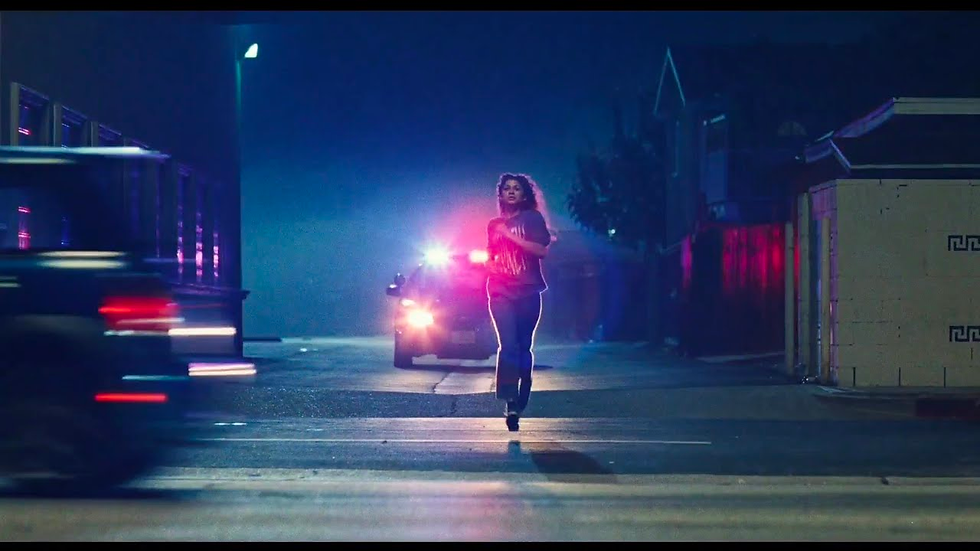
In this episode, and these scenes, the character has just been told that she is being taken to rehab for her addiction, this throws her into a state of despair and panic and therefore she ends up getting out of her mothers car on the highway and running away. Most of the episode from then on depicts our character running and being chased by police.
For scenes like this, ignoring codes and conventions would most definitely cause confusion from viewers and in this case this is not the goal, the scene is meant to convey the emotions that the character running must be feeling and must allow the audience to empathise with them in order to understand the struggles people go through when having a similar experience.
Romance Scene.
Scenes that depict romance or love are often paired with soft, happy or possibly relaxing music as love is typically a positive feeling that makes us feel at home or at ease.

In this scene, the character in red [Alyssa] is finally confessing her feelings to the other character [James] after two seasons of the show. In the scene the codes and conventions are representative of the mood and themes in the scene.
The characters are sat close to one another and are holding hands, which is conventional for a scene that is trying to convey love and companionship. In addition, the scenes are in a quiet and peaceful setting [as can be seen in the photo above]. which represents the characters mood. The setting here is extremely significant in this show because often the settings the characters are in are quite intense and a big contrast to this peaceful, rural setting on a hill. This code suggests that the characters are finally at peace and can have space for feelings such as love.

Another code that can be noticed is the significance of the colours the characters are wearing. These colours are often shown as compatible and complimentary, suggesting that 'opposites attract'.
This could suggest to the audience that the character's love for one another is strong and unbreakable.
This scene is also conventional in the sense that there are no dramatic cuts and the camera often focuses on the character's body language and facial expressions. These things are typical of romantic scenes.


Comments