Horror Audio.
- Mylo Sayles
- Jan 24, 2023
- 3 min read

Updated: Jan 28, 2023
(Project 6)

Types of Audio.
Throughout this blog, I am going to discuss different types of audio and explain how they are used to create things such as suspense and fear.
Diegetic Audio.
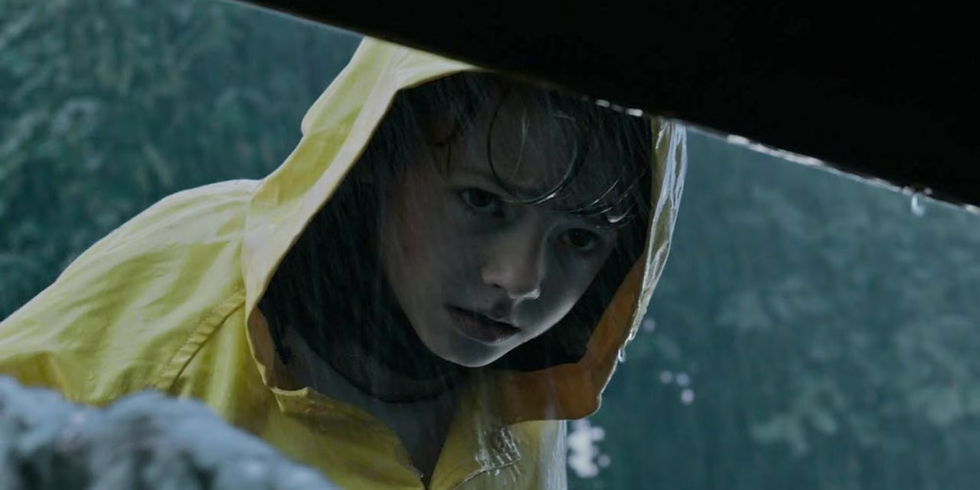
Sound that is incorporated into a TV show or movie's story is referred to as its "diegetic content." It could take place on-screen or off-screen, but it will always take place at the same time as the action on-screen. For instance, if a character is near a road and we can hear vehicles driving by, it means that the character can hear the cars as well, and it is therefore present in the story.
An example of diegetic audio in a horror film could be the rain in the beginning scene of 'IT' or any sound that is present in the narrative such as footsteps or dialogue.
Non-Diegetic Audio.
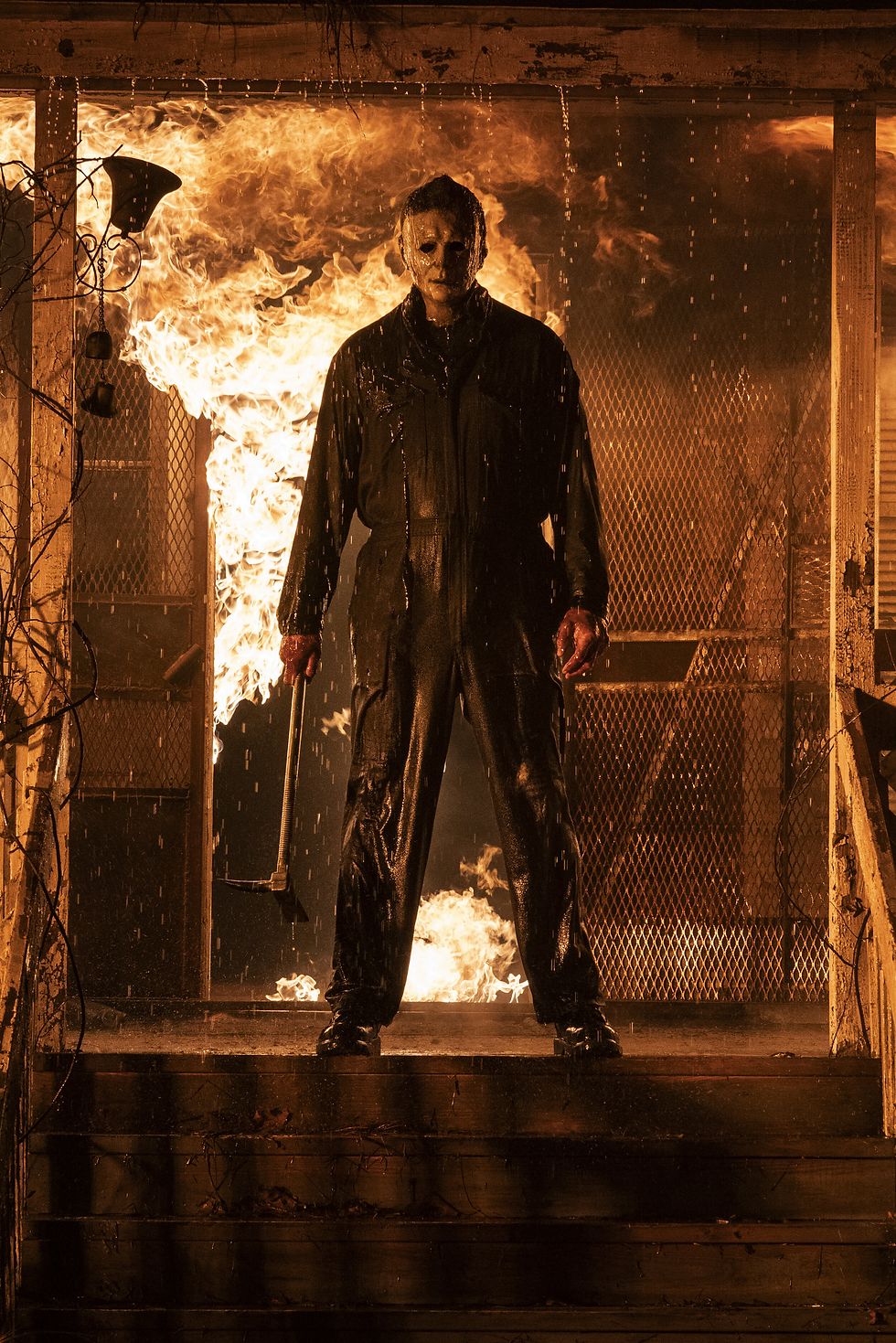
Sound that is absent from a TV show or movie's narrative is referred to as "non-diegetic" content. The soundtrack to a movie or television show is an example of anything non-diegetic since, unless the character is actively listening to the music playing, the soundtrack is typically something that only the audience can hear.
The characters in the show cannot experience these noises and visuals, but the audience can.
An example of this in many horror films is the soundtrack. Many typical horror villains or monsters have particular themes that will start to play when they are close to their victim for example: Michael Myers from the 'Halloween' films or the shark from 'Jaws'.
ADR.

ADR stands for Automated Dialogue Replacement. This means re-recording audio in a quieter and more controlled setting - usually a studio - so that audio can be of better quality and volume. ADR is useful, especially for scenes which perhaps have strong weather conditions or ones that are recorded in a noisy setting so that background noise can be reduced or eliminated.
Another reason ADR is used is for show or movie dubs.
Below is the link to a good video explaining more about ADR.
https://www.youtube.com/watch?v=O62nslXA3us
This is where I got most of my information from.
Foley Sounds.
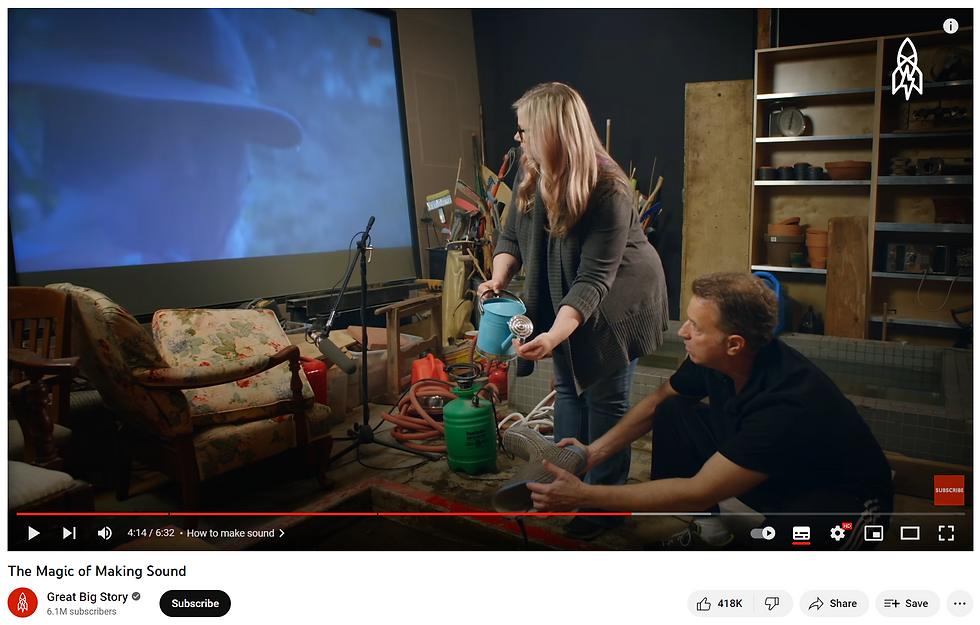
Foley sounds are effects that are created especially for a scene in post-production. A variety of inventive and creative techniques are used to create these custom sounds. In the horror genre, examples of Foley sounds could be things such as: wind, footsteps, stabbing, rain, thunder etc.
People that create Foley sounds will use many imaginative methods to do so, such as breaking celery to represent the breaking of bones or twigs, using a watering can for rain or shaking a piece of fabric to create the illusion of wind or a storm.
Here is the link to a great video I watched explaining more about Foley sounds:
https://www.youtube.com/watch?v=UO3N_PRIgX0
Negative Space.
Negative Space is the space between sounds. The horror genre uses this to build up tension and suspense. When all goes quiet the audience is put on edge and knows that something is going to happen. Negative space in horror is very useful when it comes to creating jump scares.

An example of a film that uses lots of negative space to create suspense and terror is 'Alien'.
This film isn't completely full of sound or music. It has lots of negative space in scenes where the alien is hiding or about to attack, or when the characters are hiding from the alien or attempting to move quietly.


Comments