The Exposure Triangle.
- Mylo Sayles
- Nov 15, 2022
- 2 min read

Updated: Nov 16, 2022
(Project 4.2)
When using a camera in manual mode, there are many factors that you have to control in order to get a good photograph.
Something called 'The Exposure Triangle' helps a great deal with this. The Exposure Triangle consists of three things:

- Aperture.
- Shutter Speed.
- ISO.
Aperture
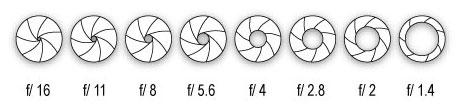
Aperture refers to the opening of a lens's diaphragm through which light passes. It is calibrated in f/stops and is generally written as numbers such as 1.4, 2, 2.8, 4, 5.6, 8, 11 and 16. Lower f/stops give more exposure because they represent the larger apertures, while the higher f/stops give less exposure because they represent smaller apertures. This may seem a little contradictory at first but if you think of the lens as being like an eye in the sense that if you squint, less light is allowed in and therefore it is darker and vice versa id your eye is opened wider things make a little more sense.
Shutter Speed
Shutter speed is exactly what it sounds like – the speed at which the shutter of the camera closes. A fast shutter speed creates a shorter exposure (the amount of light the camera takes in) while a slow shutter speed gives the photographer a longer exposure.
Having a faster shutter speed is useful when
trying to 'freeze something in time' whereas
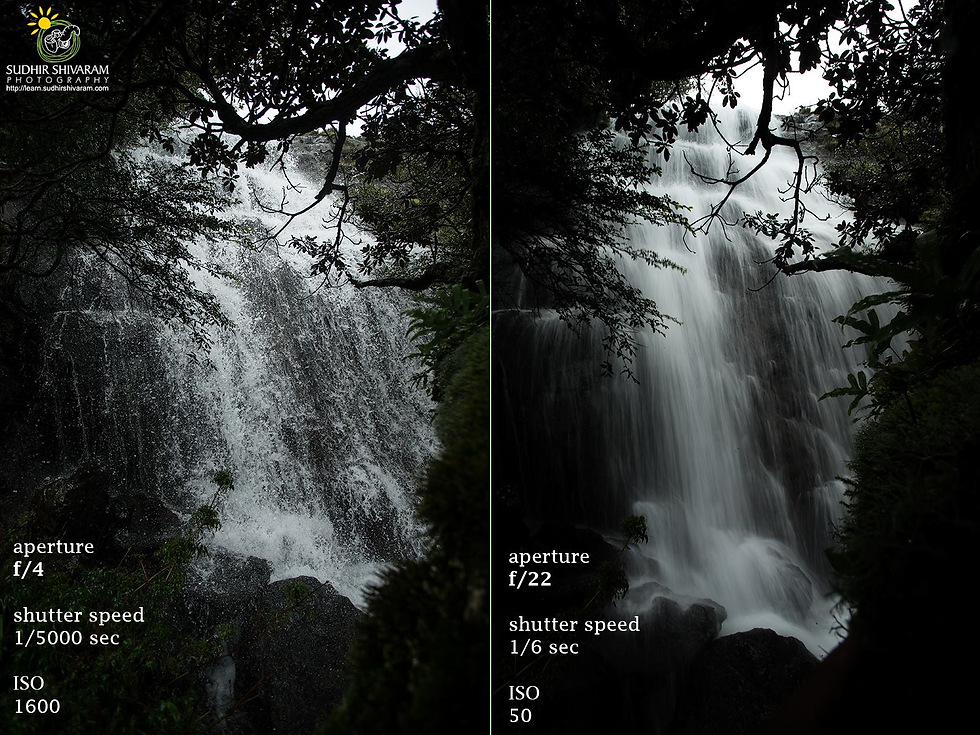
having a slower one is good when trying to
create the illusion or idea of movement.
ISO
ISO refers to your camera's sensitivity to
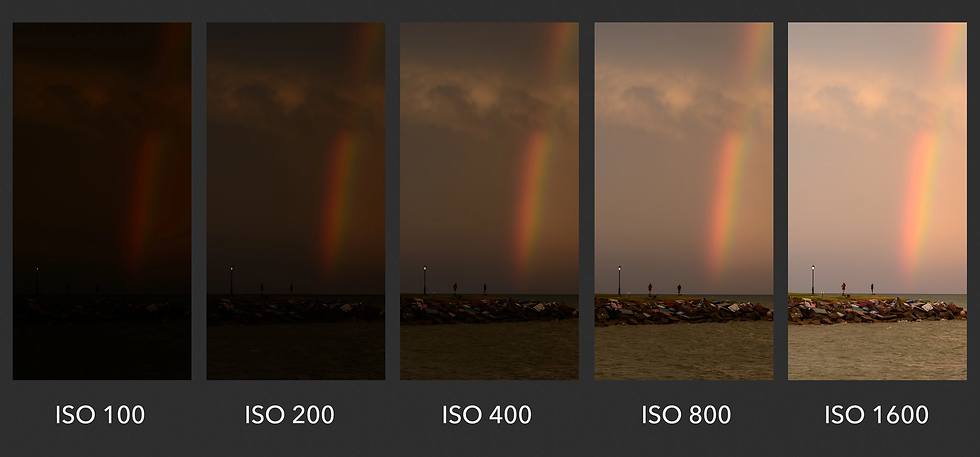
light. The higher the ISO, the higher the cameras sensitivity to light and the brighter the photographs will appear.
ISO works alongside the other two exposure variables – aperture and shutter speed – to determine the overall brightness level of an image, therefore in a brighter environment a person may want to adjust the ISO to be lower and in a dark environment to be higher.


Comments